Subscribe to stay up to date with the latest in Provincetown!
Subscribe to ptownie

    A Century on the Courts: The History of the Provincetown Tennis Club

    June 8, 2026

    For more than a century, the Provincetown Tennis Club has been a cherished gathering place where sport, art, community, and friendship intersect. Nestled in Provincetown’s East End at 288 Bradford Street, the club has evolved alongside the town itself, reflecting the unique character of one of America’s most celebrated seaside communities.

    The story begins in 1924 with the founding of the Tennis Club of Provincetown. Among its founders was renowned painter Charles Hawthorne, founder of the Cape Cod School of Art, whose involvement helped establish an enduring connection between the club and Provincetown’s vibrant arts scene. From the beginning, the club was different from traditional tennis institutions. Art students were offered discounted memberships, and painters, writers, and vacationers shared the courts with businesspeople and local residents. Tennis was important, but so was community.

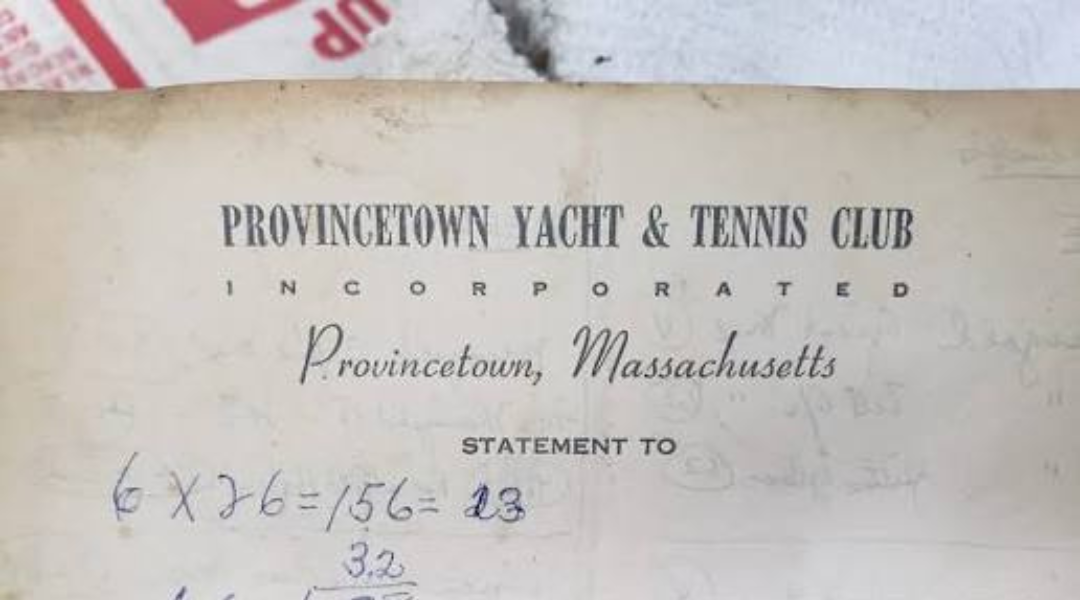
    The Great Depression brought significant challenges, and by the late 1930s the original organization had changed. In 1939, the property was acquired by illustrator Lauren Cook and reestablished as the East End Club. A few years later, after obtaining access to Provincetown Harbor, it briefly became known as the Provincetown Yacht and Tennis Club. Though the organization evolved through different names and ownership structures, tennis remained a constant presence on the Bradford Street property.

    Throughout the mid-twentieth century, the club became a summer institution. Provincetown’s growing reputation as an artists’ colony attracted notable creative figures, many of whom found their way onto the tennis courts. The club welcomed celebrated artists including Robert Motherwell and Helen Frankenthaler, while maintaining an atmosphere that was notably informal and inclusive. Unlike many private clubs of the era, there was little concern for strict dress codes or social hierarchy. Artists often arrived in paint-splattered clothes, and friendships formed across generations, professions, and backgrounds.

    By the 1960s and 1970s, the club had developed a reputation as one of Provincetown’s most eclectic gathering places. Young people found a safe and welcoming environment, while seasonal residents and year-round locals mixed freely. The clubhouse became known for lively social events, potluck dinners, and legendary parties that complemented a surprisingly competitive tennis culture.

    A major figure in the club’s modern history was Robert “Nute” Reeves, who managed the facility from 1977 to 2000. During his tenure, the club expanded its role in the community, supporting youth programs and local tennis development. Provincetown High School teams regularly used the courts, and generations of young players learned the game within the club’s welcoming environment.

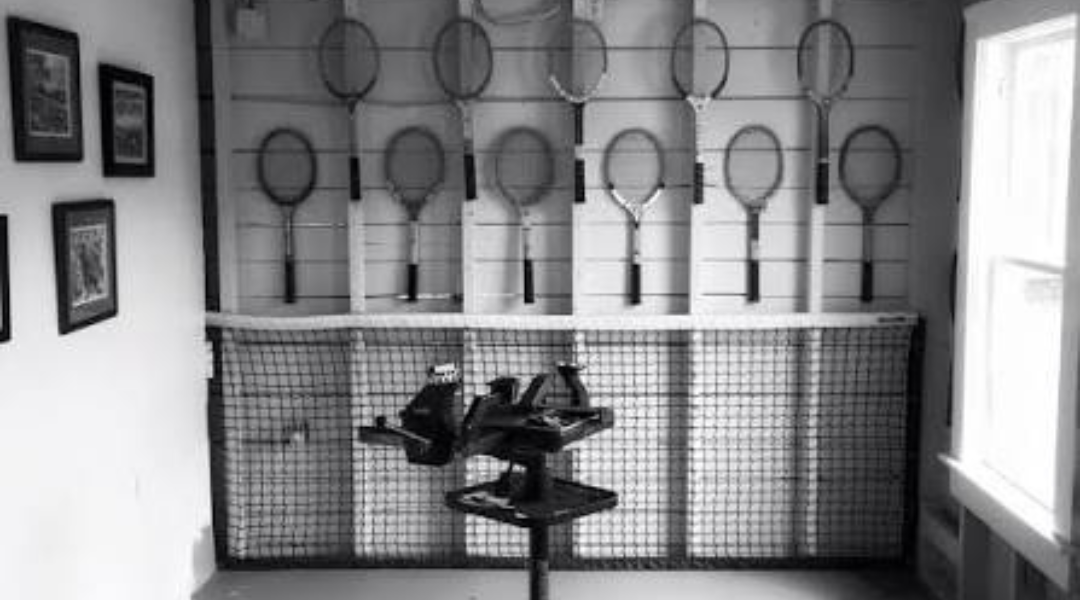
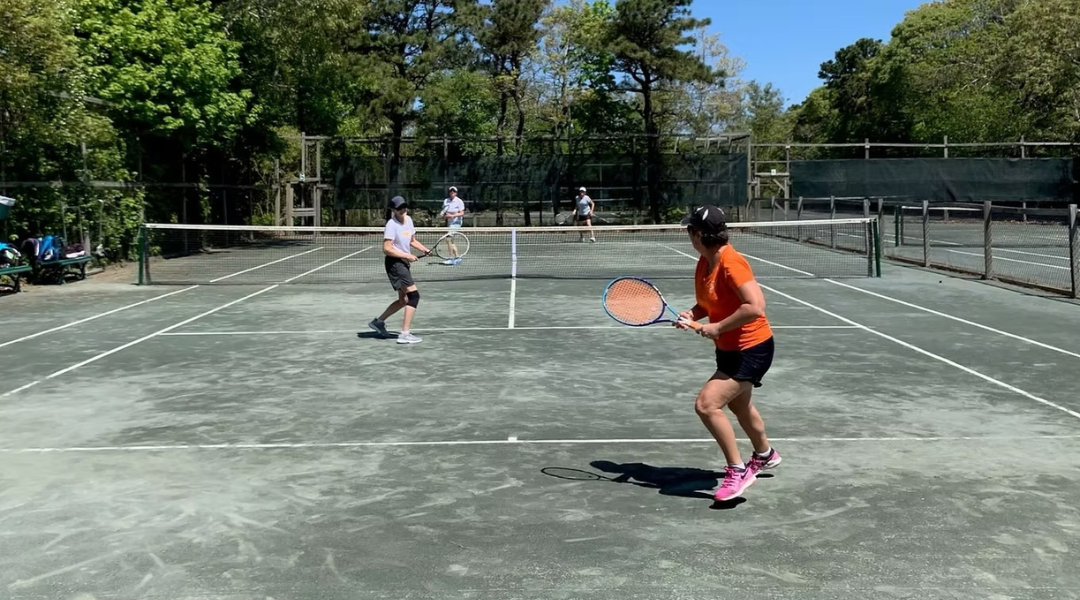
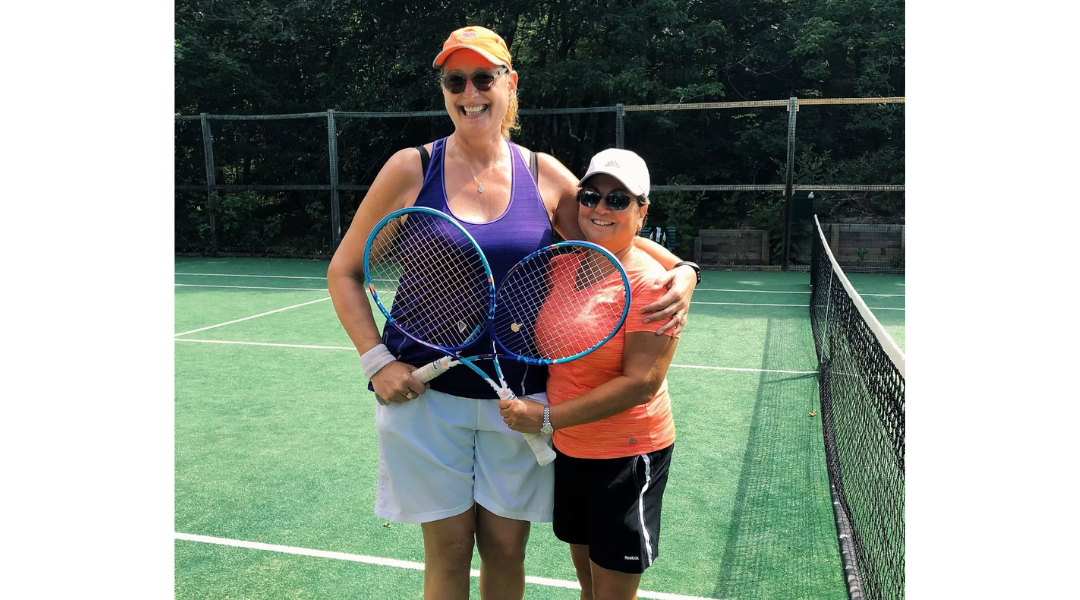
    Today, the Provincetown Tennis Club continues to thrive with five Har-Tru clay courts and two synthetic grass courts. While tennis remains at its core, the club’s mission extends beyond the game itself. It promotes inclusivity, sportsmanship, wellness, and community engagement for players of all ages and skill levels.

    In 2024, the club celebrated its centennial, honoring 100 years of tennis on the Bradford Street property. The milestone recognized not only the sport but also the generations of members who shaped the club’s distinctive culture. From artists and authors to teachers, business owners, families, and visitors, countless people have contributed to the spirit that makes the Provincetown Tennis Club unique.

    A century after its founding, the Provincetown Tennis Club remains much more than a place to play tennis. It stands as a living piece of Provincetown history—a place where competition, creativity, and community continue to meet on and off the court.

    Click here to check out all of our Provincetown History!

    More Recent Provincetown News