Silence is Golden: Small Mouth Sounds at the Provincetown Theater
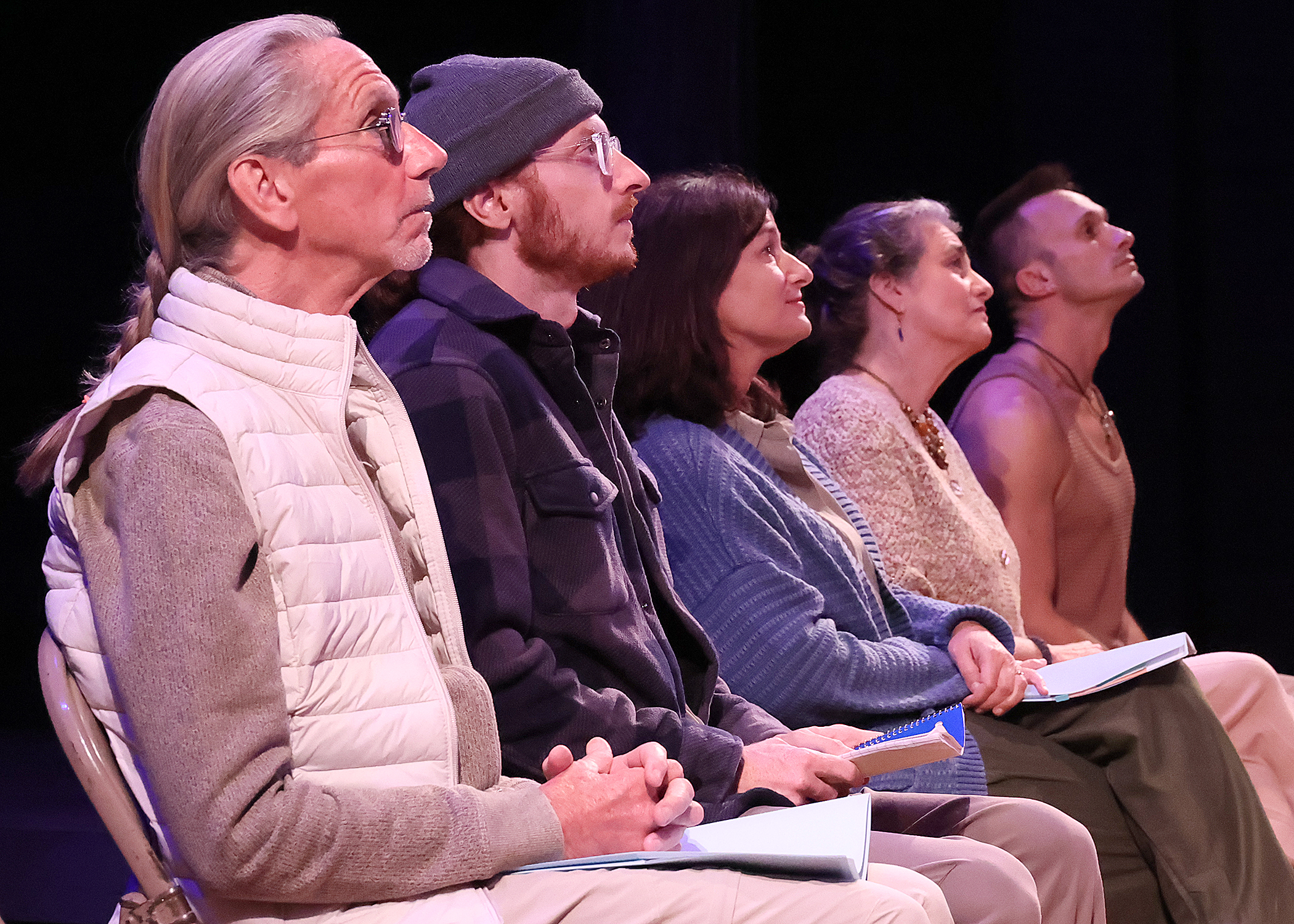
Since dialogue takes pride of place in most theatre productions, I was curious (and a little skeptical!) after hearing Artistic Director David Drake on my radio show, Arts Week, recount how the Provincetown Theater’s new production takes place in…...
Cracks in the Walls: The Fall of the House of Usher at Cape Rep Theatre
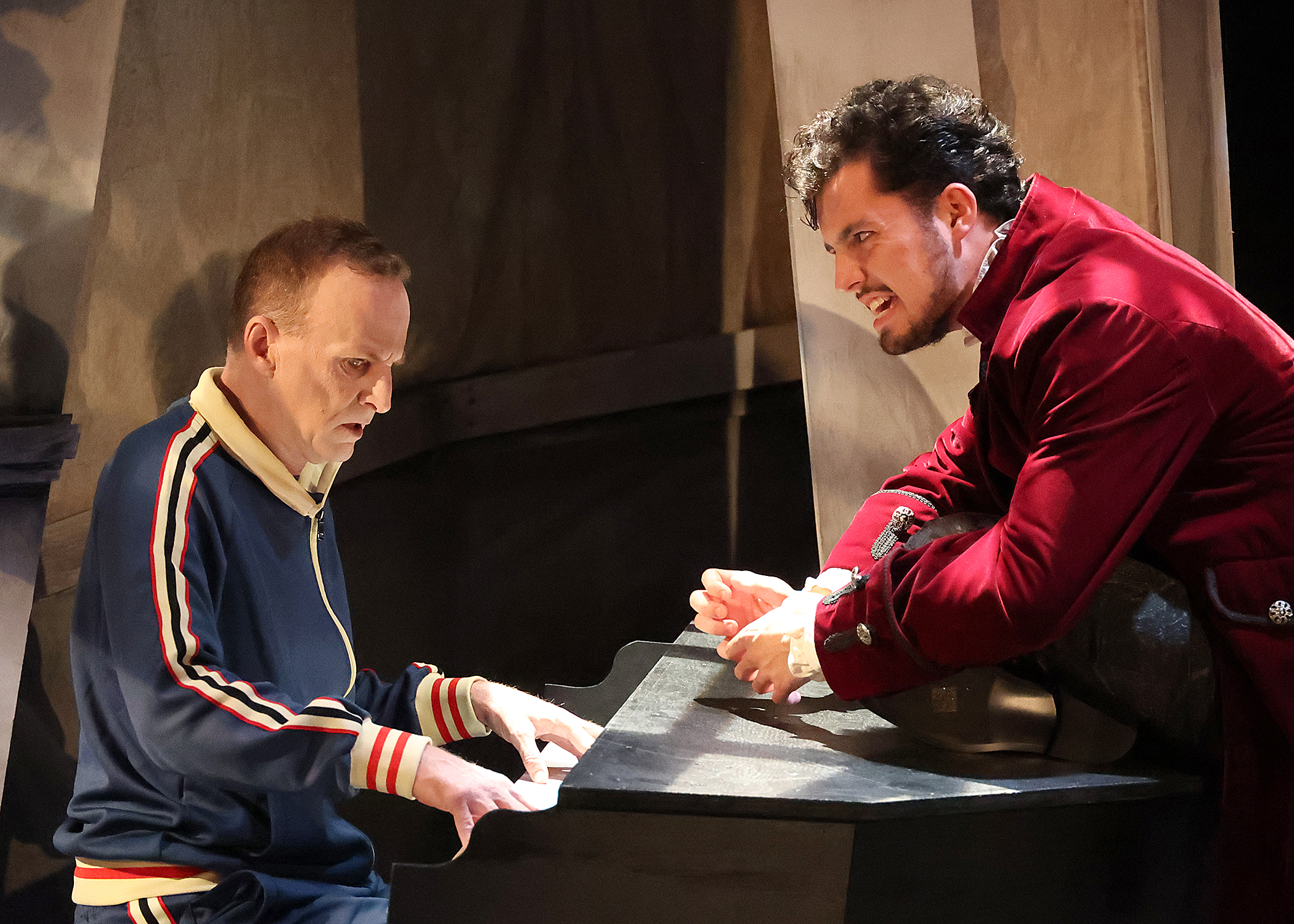
Confession: I love Halloween. I love the spookiness, the sense of the frailty of the line between the here and the hereafter, even the silly kitschy decorations. So I was all-in for seeing the incomparable Gip Hoppe’s The Fall of the House of Usher at...
October 1, 2026. the ptownie dispatch!

Fall looks fabulous in Provincetown. October brings crisp air, colorful streets, lively nights and that unmistakable Provincetown spirit. Summer may be behind us, but the town keeps shining with surprises around every corner. The ptownie Calendar ensures...



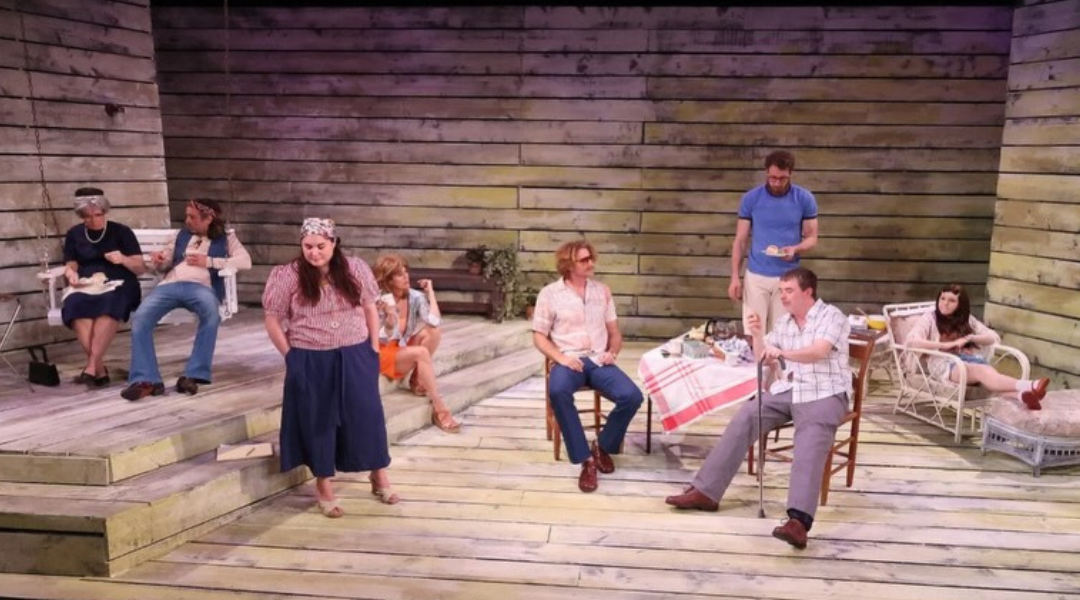
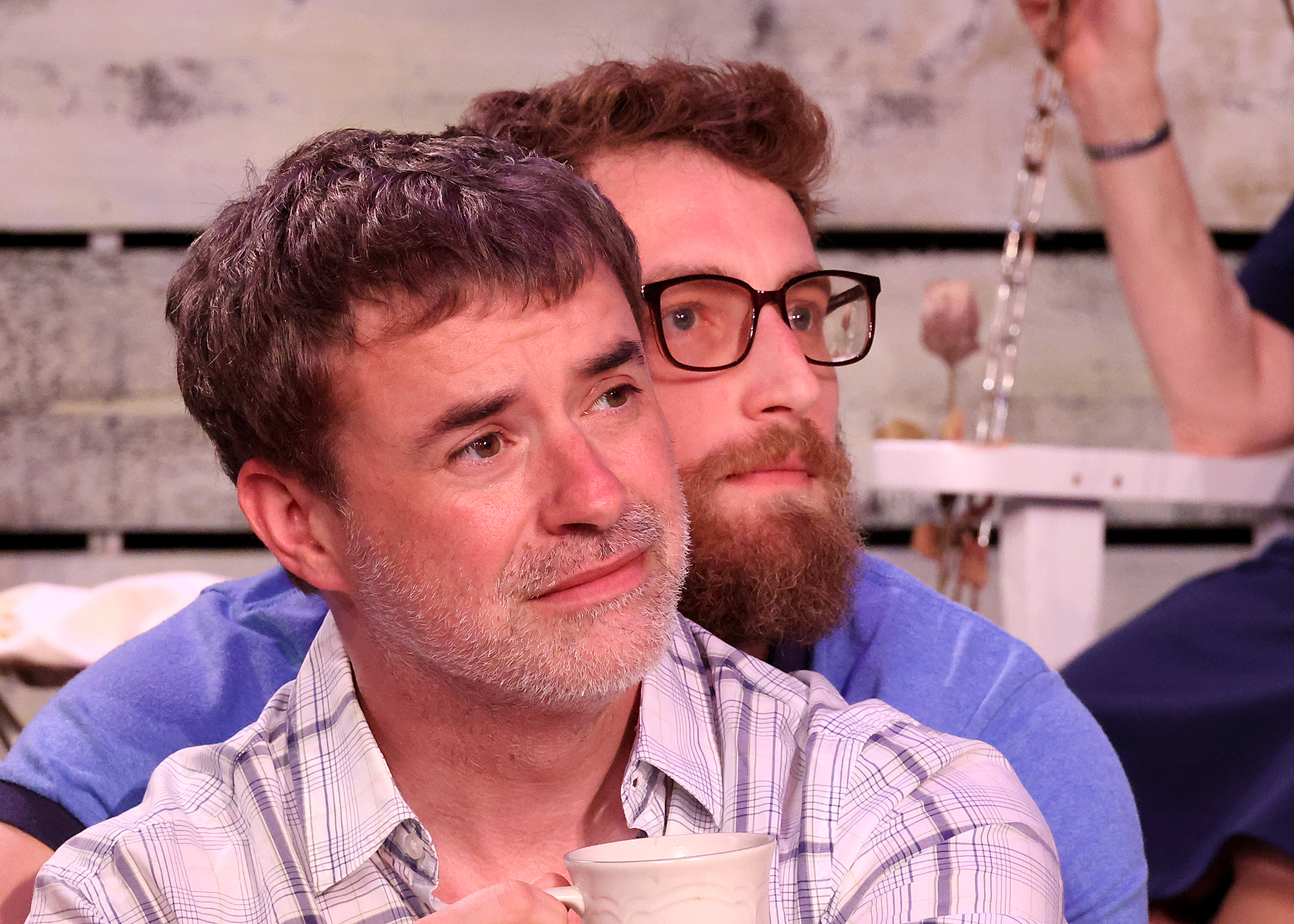 The usually quiet house is full of opinionated people, as visiting for the holiday are Ken’s sister June (Madelyn Barr), her 13-year-old daughter Shirley (Raea Ivey), longtime friends John and Gwen Landis (Nathaniel Hall Taylor and Sara Fitzpatrick), Gwen’s guitarist Wes Hurley (Andrew Clemons), and finally Ken and June’s aunt, Sally Friedman (Jen Zee). They’ve gathered presumably for the Fourth of July and for a memorial service for Aunt Sally’s husband on the fifth. Sally has been carrying the ashes around with her for too long… and still seems uncommitted to scattering them at all.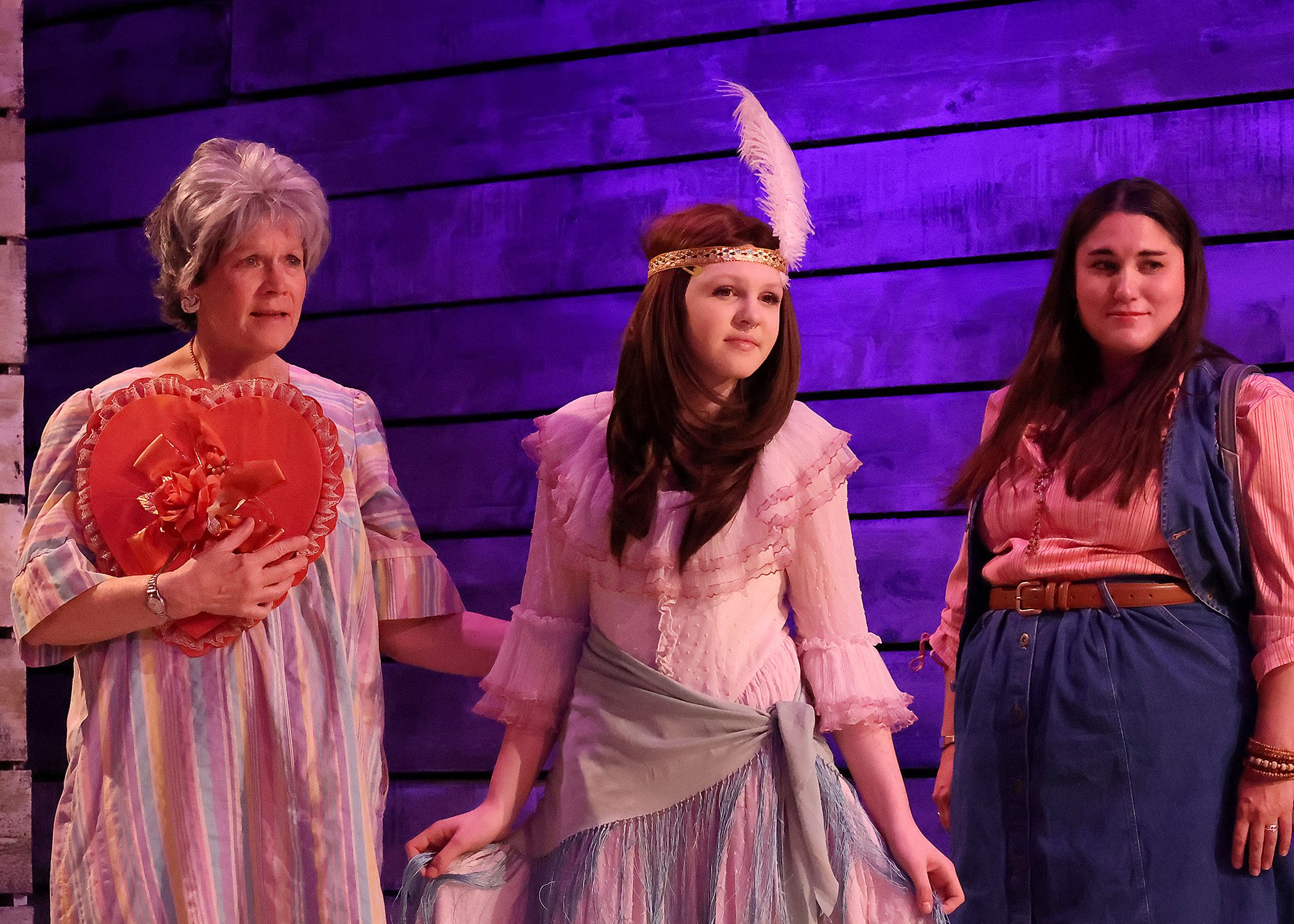
 Accommodations
  Art
Art  Bars
Bars  Books
Books  Entertainment
  Events
  Featured
  Guides
  History
  Literary stuff
  Most Popular
  Provincetown News
  Restaurants
  Reviews
  Shopping
  Theatre
  Uncategorized
  Weed
Weed