Subscribe to stay up to date with the latest in Provincetown!
Subscribe to ptownie

    The Original Whodunit: The Mousetrap at the Harbor Stage Company

    July 22, 2026

    Agatha Christie is a deity in the pantheon of mystery writers; she has not only written but inspired others to create millions of hours of amazing and entertaining reading and watching. I know; I’m one of them—in many ways, I owe her my career.

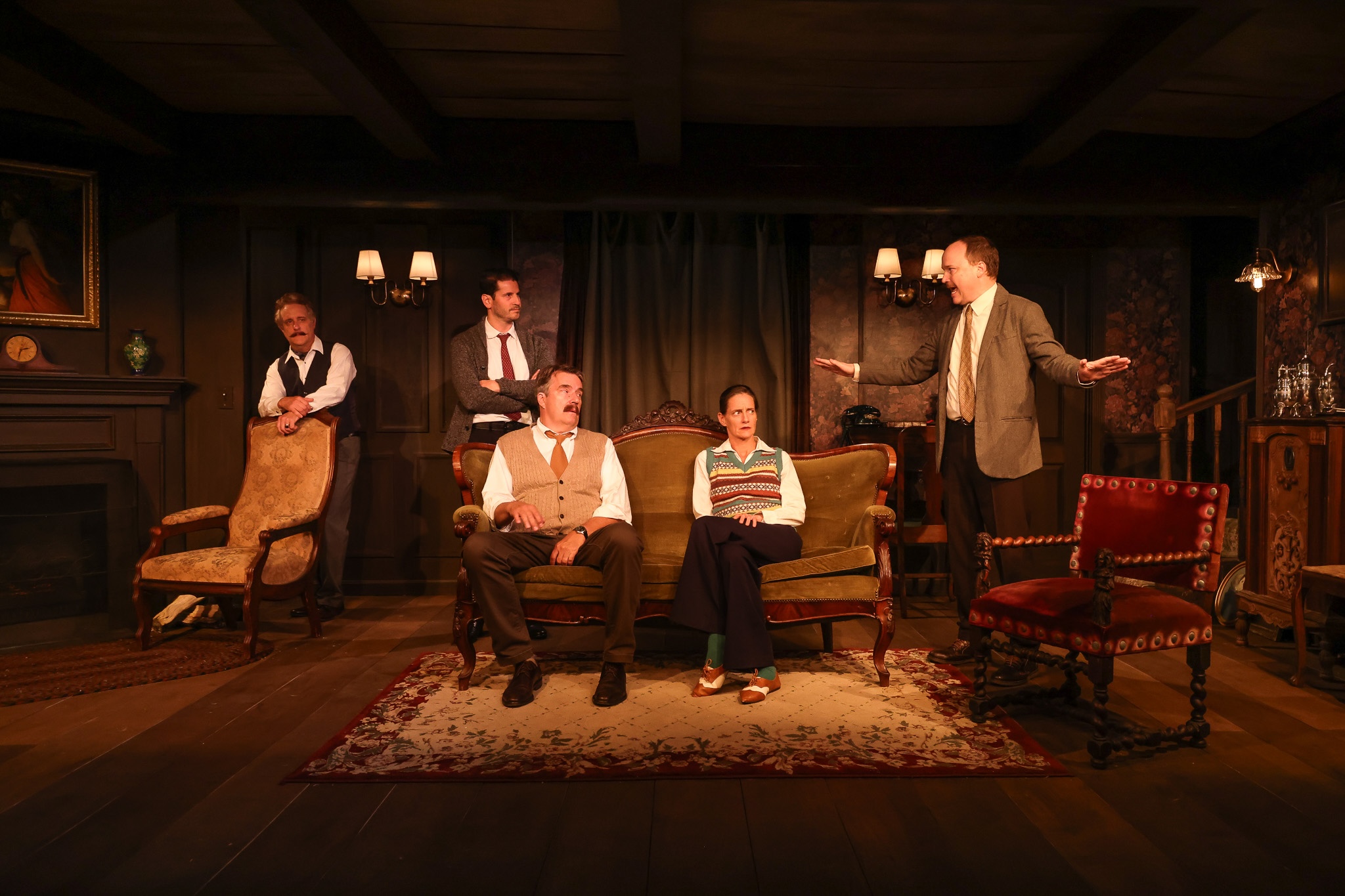
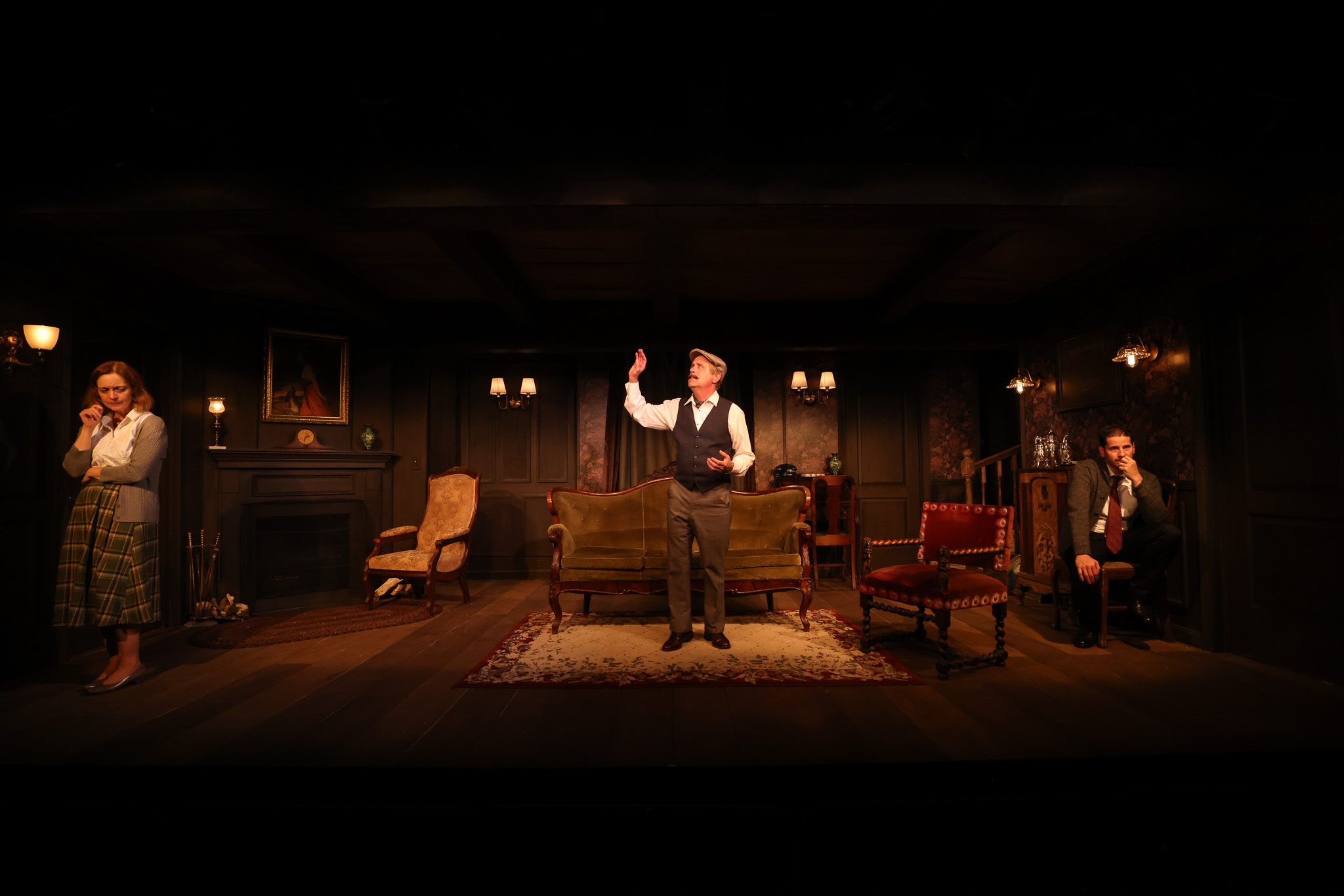
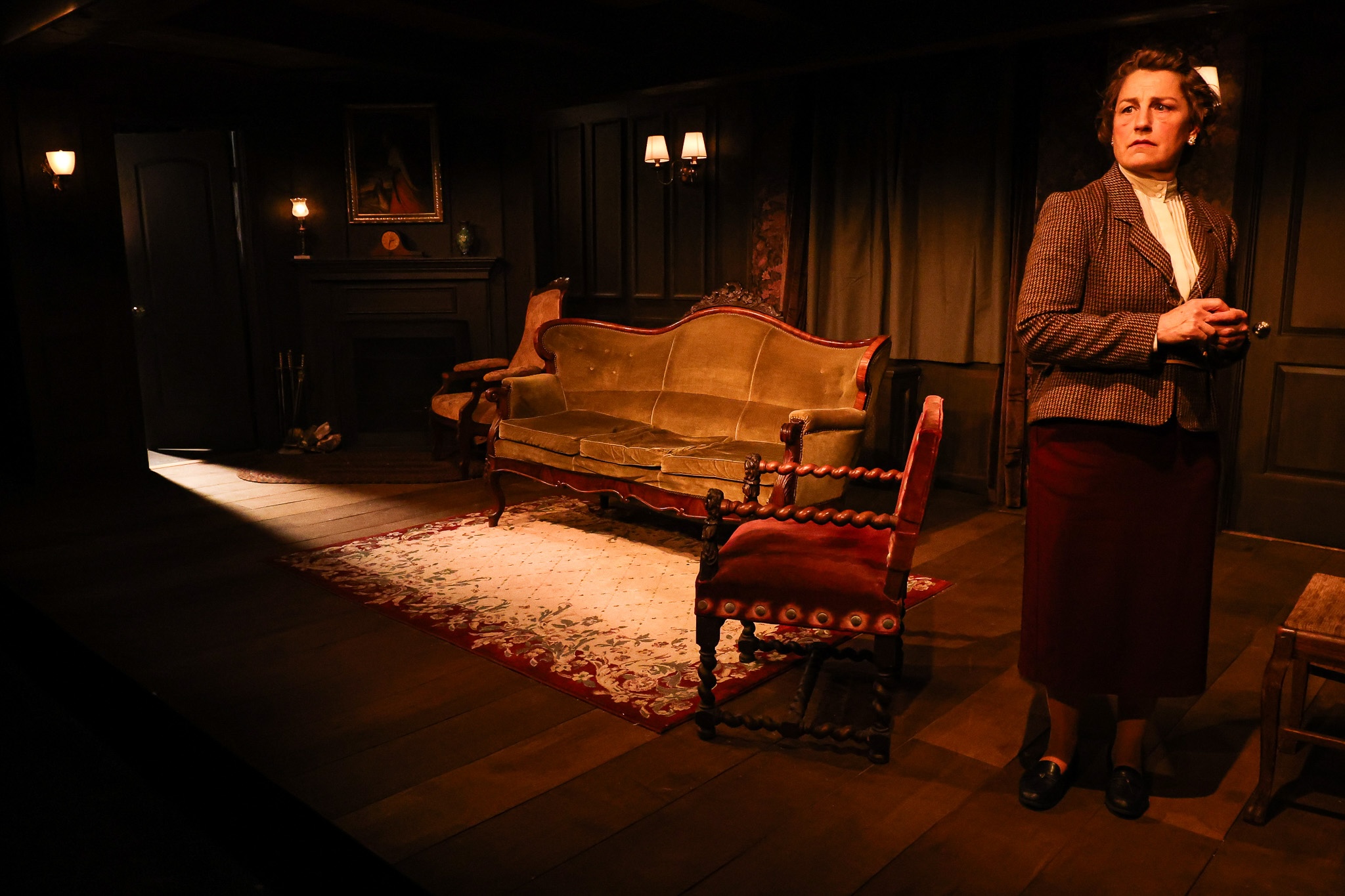
    That said, time moves on, and her play The Mousetrap—the longest-running play in the world—hasn’t. The Harbor Stage Company’s current production is excellent—with split-second timing, some first-rate acting, and dark atmospheric scenic design by Justin Lahue that strikes the perfect mood for the piece. But the production is hampered by the story itself, which turns on now-predictable tropes and too-often-seen plot twists.

    The play takes place in Monkswell Manor, a remote and isolated guesthouse run by newlyweds Mollie and Giles Ralson (Stacy Fischer and Ari Lew). One by one the weekend’s guests arrive: Christopher Wren (Jason Lambert), a young man clearly affected by ADD; Mrs. Boyle (D’Arcy Dersham), who finds fault with everything on principle; typical retired military officer Major Metcalf (Robin Bloodworth); Miss Casewell (Brenda Withers), a woman clearly guarding a secret; and a late arrival, Mr. Paravicini (Robert Kropf, who also directed the production).

    The radio is on and broadcasts news of a recent murder in the area and the current search for the killer, and as now the snow has gotten too deep for anyone to leave, they’re stuck at the manor together—and everyone has a secret. Miss Casewell seems to know too much about the murder; Mollie Ralston seems to know too much about Christopher Wren; Mr. Paravicini seems to know too much about—well, himself—and a telephone call announcing the imminent arrival of a police investigator sets everyone on edge.

    The investigator, Sergeant Trotter (Jonathan Fielding) duly arrives (via skis!) and catches the group up on the specifics about the murder, including the note found left by the murderer claiming that “three blind mice” (Christie’s original title for the play) would be killed because of an historic abusive situation involving children at a nearby estate. Before he can link all the various guests who might have some connection to the home’s tragic past, Mrs. Boyle (to the apparent grief of no-one) is also murdered, and tension mounts as characters and audience alike understand there’s a killer in the room.

    Every production of The Mousetrap implores that audiences not reveal the end of the story, so I’ll leave the synopsis at that. This story was the foundation of the popular locked-room mystery, and it remains a classic of the genre; the audience experience, at least for mystery fans, is sort of like finding the origin story of one’s own family tree.

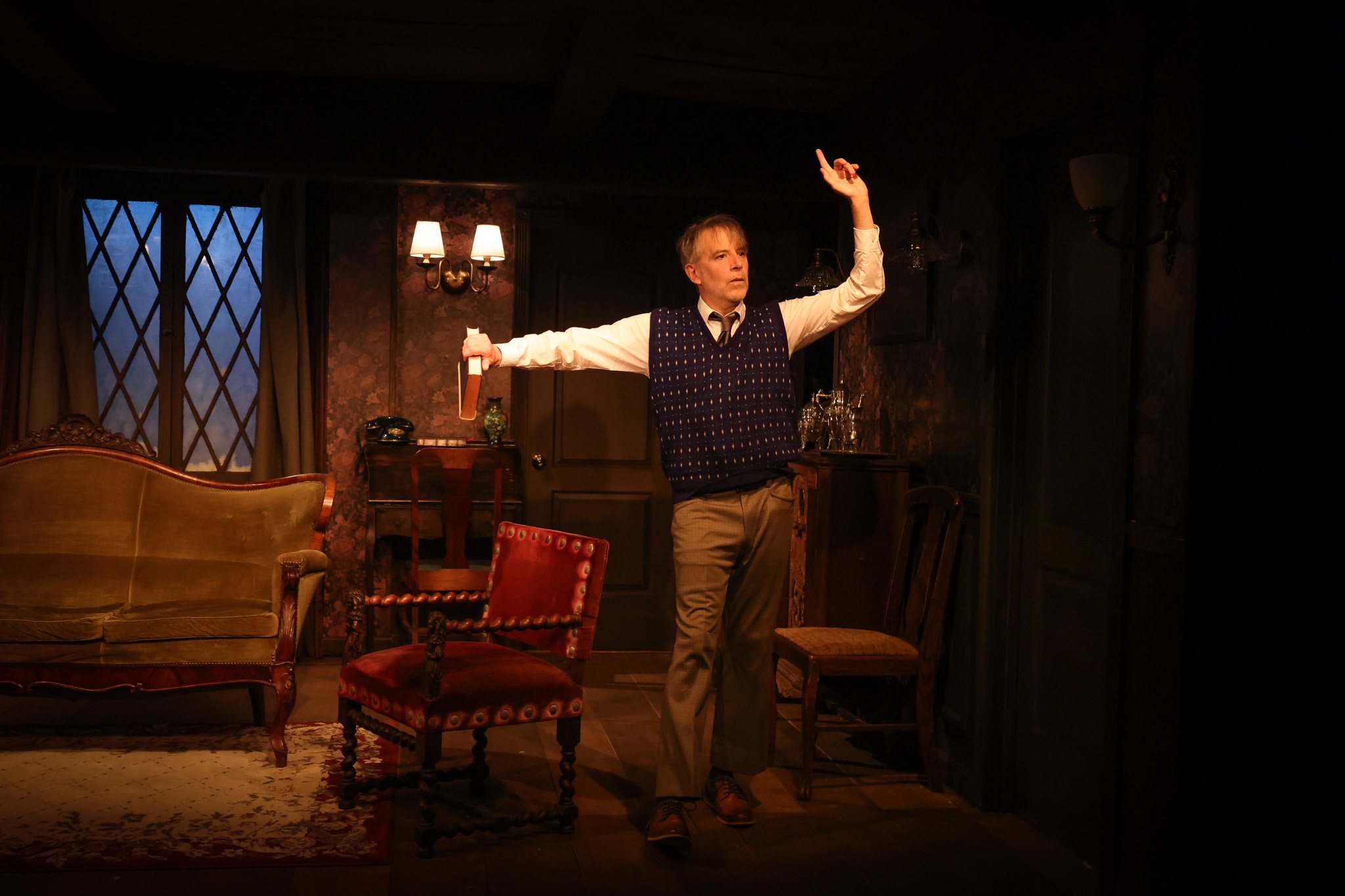
    Harbor Stage is up to its usual stratospheric standards: the timing is sharp, the humor wonderful, and everyone is completely inhabiting their characters with gusto—Kropf and Lambert are particularly sensational in their flamboyant roles.

    Try as they may, though, it’s hard to not see the caricatures. It isn’t the production’s fault: it’s been a long time since 1952 and the mystery genre has become both more sophisticated and more complex. The people onstage are “types”: the newlywed couple that don’t really know each other; the neurotic fellow who’s renamed himself; the mandatory former military officer; the older judgmental spinster; the aloof and mysterious hinted-at lesbian; the requisite scary foreigner; the police investigator. We’ve met them before in Christie and other Golden Age writers, and since then in stories far too numerous to mention.

    Does that detract from enjoyment of the play? I don’t think so; Harbor Stage cannot set a foot wrong and there are absolutely delightful moments in this production. Kropf’s direction is—as always—deft and inspired, and all the actors give their characters everything they’ve got. There’s a reason the play is still running after so many decades, and sometimes a good look at the past can serve to continue to inspire the future.


    review by Jeannette de Beauvoir

    images by Justin Lahue

    More Recent Provincetown News